Poverty affects much more than income. It influences education, health, confidence, opportunities, emotional well-being, and even a child’s future choices. For millions of children across India, poverty creates barriers that begin at an early age and continue across generations. Many children are forced to leave school, work for survival, or grow up without proper care and guidance.
But one powerful force continues to change this reality, education supported by care, protection, and emotional support.
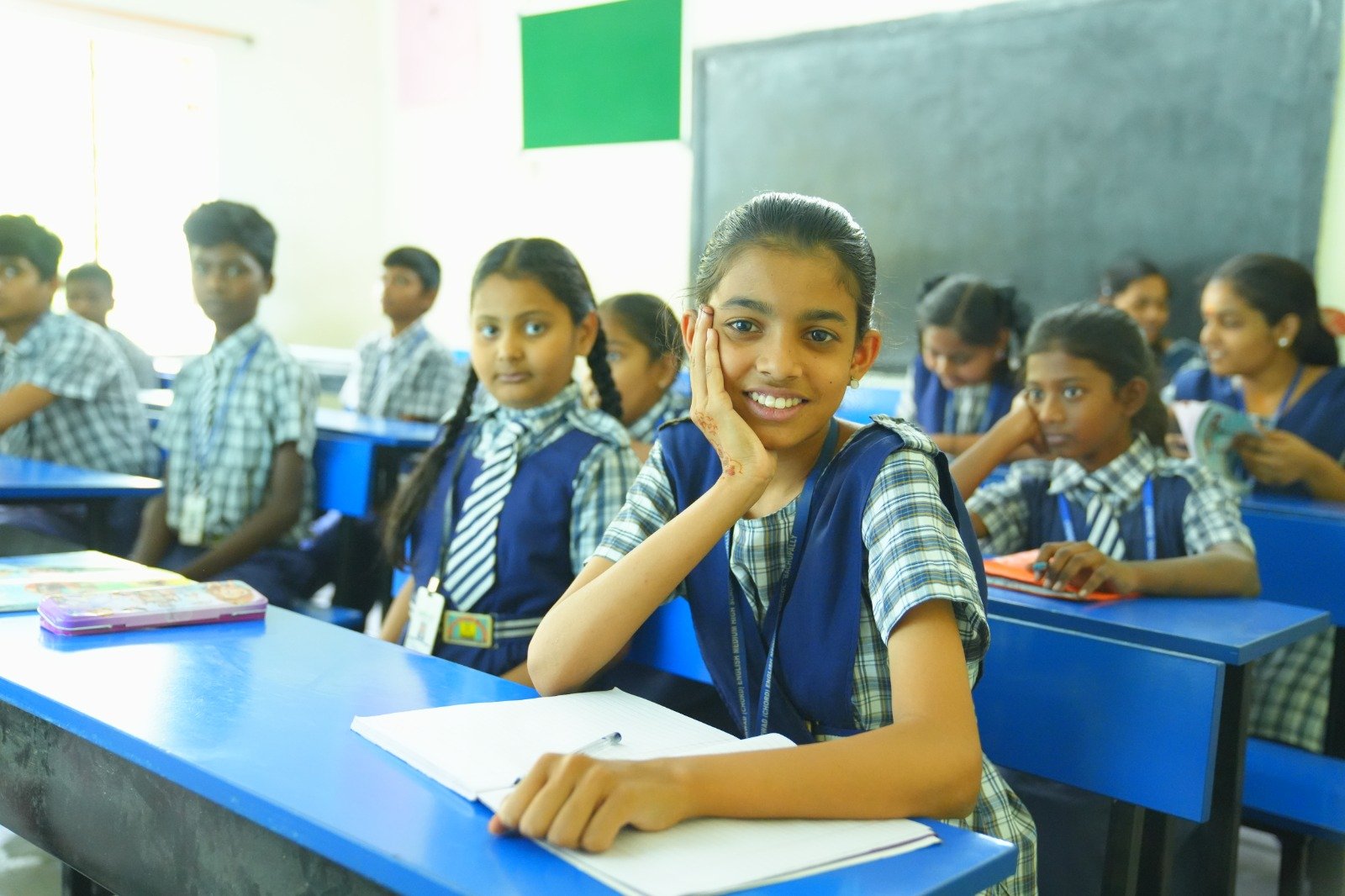
When children receive access to education along with a safe and supportive environment, their future changes completely. They gain confidence, independence, skills, and opportunities that can help break long-standing cycles of poverty within families and communities.
This is why organizations working in child welfare and education continue to play such an important role in social transformation. A strong child education NGO does much more than provide schooling. It creates pathways toward dignity, protection, and long-term empowerment.
Poverty Often Begins With Lack of Opportunity.
Children born into financially struggling families rarely lack potential. What they often lack is access.
Limited access to:
- Education
- Nutrition
- Healthcare
- Safe environments
- Emotional support
- Skill development
can slowly restrict a child’s future opportunities.
Many children growing up in vulnerable communities are forced to prioritize survival instead of learning. Some become child laborers, while others leave school early because families cannot afford educational expenses.
Without intervention, these challenges often continue into adulthood, repeating the same cycle for future generations.
This is why poverty through education has become one of the most important focus areas for child welfare organizations today.
Education Creates Long-Term Social Change
Education is not only about textbooks or classrooms. It changes how children think, communicate, dream, and participate in society.
When children receive quality education:
- Their confidence improves
- Employment opportunities increase
- Health awareness becomes stronger
- Financial independence becomes possible
- Social vulnerability reduces
Education also helps children understand their rights, make informed decisions, and develop stronger emotional resilience.
For underprivileged children especially, education can completely alter life direction.
This is why many organizations now focus strongly on education for underprivileged children as a long-term solution for community upliftment.
Child Care and Emotional Support Matter Equally
Providing education alone is not enough for vulnerable children. Emotional well-being and safety also play a major role in healthy development.
Children growing up in unstable environments often need the following:
- Emotional care
- Safe learning spaces
- Counseling support
- Mentorship
- Nutritional support
- Consistent guidance
This is where holistic child care and support systems become essential.
A strong support structure helps children feel secure enough to focus on learning and personal growth.
Organizations working in child welfare increasingly understand that true development happens when education and emotional care work together.
Child Protection Is an Important Part of Social Welfare
Many vulnerable children face risks such as neglect, abuse, exploitation, trafficking, and child labor. Protecting children from these dangers is a major responsibility of social welfare organizations.
A responsible, best child protection NGO works not only on education but also on creating safer environments where children can grow without fear or exploitation.
Protection-focused initiatives often include:
- Rescue support
- Rehabilitation programs
- Safe shelter access
- Counseling services
- Awareness programs
- Legal and community support
These efforts help children regain stability and continue their education in healthier environments.
Girl Child Education Changes Entire Families/
When girls receive education, the impact often extends far beyond one individual’s life.
Educated girls are more likely to:
- Become financially independent
- Delay early marriage
- Support family health and education
- Build stronger futures for their children
- Contribute positively to communities
Supporting girls’ education is one of the most effective long-term social investments any society can make.
This is why many people actively choose to donate to girl child education in India through trusted welfare organizations working directly with vulnerable communities.
Community Development Begins With Children
Children are deeply connected to the future of every community. When children receive proper education, care, and protection, communities themselves begin to improve over time.
Better-educated children often contribute toward:
- Stronger family stability
- Improved literacy rates
- Reduced poverty levels
- Better employment opportunities
- Increased social awareness
This is why many NGOs now focus on community development through education rather than isolated short-term support.
Long-term educational investment creates sustainable social progress that benefits entire generations.
NGOs Play a Major Role in Supporting Vulnerable Children
Government programs alone cannot always address every challenge faced by underprivileged children. Non-governmental organizations often play a critical role in reaching vulnerable communities directly.
A dedicated child welfare NGO in Hyderabad may support children through:
- Educational sponsorships
- Child development programs
- Nutrition support
- Community outreach
- Shelter assistance
- Emotional care initiatives
These organizations often become a bridge between vulnerable children and life-changing opportunities.
Child Development Requires More Than Academic Learning
Modern child welfare approaches increasingly focus on complete child development instead of academic performance alone.
Strong child development programs often include:
- Personality development
- Communication skills
- Emotional support
- Life skills education
- Creative learning opportunities
- Health and hygiene awareness
These programs help children develop confidence and self-worth alongside academic growth.
For children from difficult backgrounds, this holistic support can become transformational.Click here to donate and support children’s education and growth for a brighter future.