
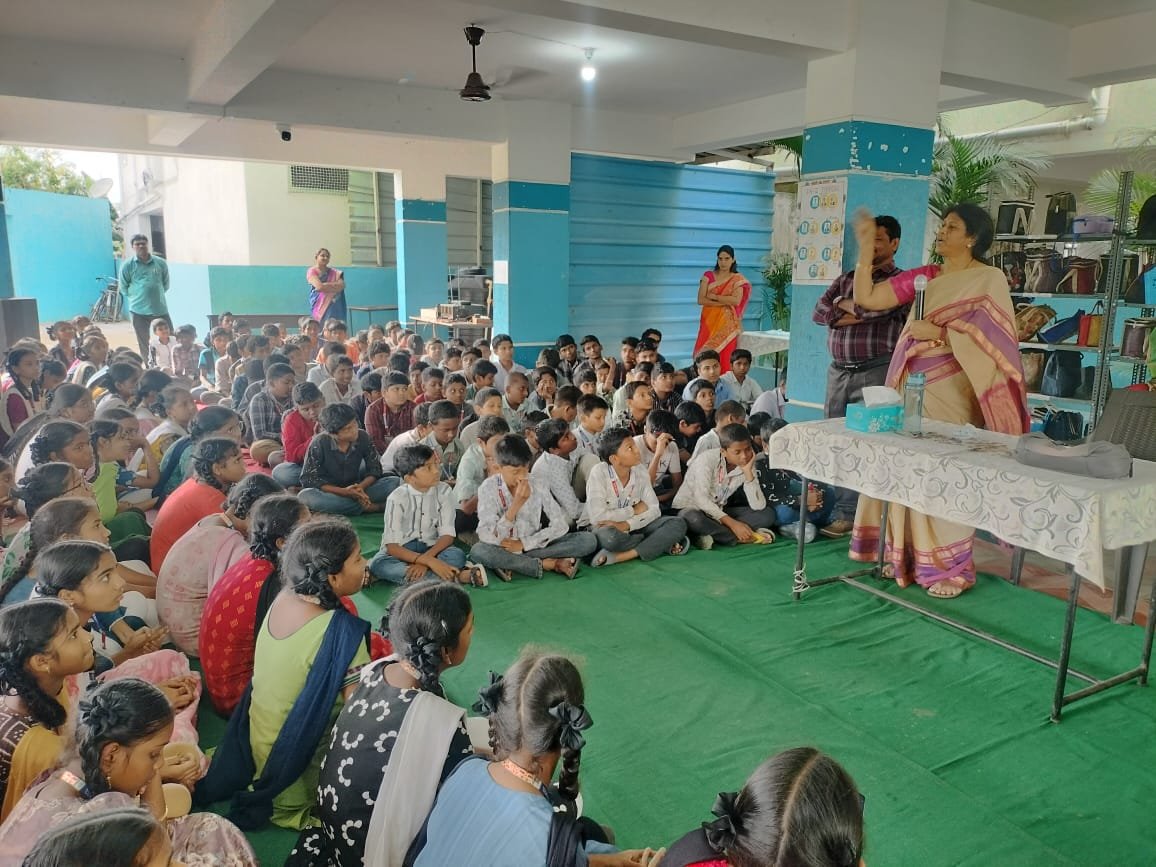
Rural development is not only about building roads, providing infrastructure, or introducing welfare schemes. Real development happens when people become aware of their rights, opportunities, health, education, and social responsibilities. Without awareness, even the best resources and government initiatives often fail to reach the people who need them the most.
This is why social awareness programs play a major role in improving the quality of life in rural communities. Awareness creates understanding, encourages participation, and helps communities make informed decisions about education, healthcare, livelihoods, child welfare, and social well-being.
Across India, many organizations working as a rural development NGO now focus strongly on awareness-based community engagement because long-term rural progress depends heavily on informed and empowered communities.
Rural Development Requires More Than Infrastructure
Development in rural areas is often misunderstood as only physical improvement. While infrastructure matters, true development also includes the following:
- Education access
- Health awareness
- Child protection
- Women empowerment
- Livelihood opportunities
- Community participation
- Social equality
Without awareness, communities may not fully benefit from available support systems or development opportunities.
This is why many community development programs now include awareness initiatives alongside direct welfare support.
Awareness Helps Communities Make Better Decisions
People can only use opportunities effectively when they understand them properly.
Awareness programs help rural communities gain knowledge about:
- Education importance
- Healthcare practices
- Government welfare schemes
- Child rights
- Nutrition
- Hygiene
- Financial literacy
- Women’s rights
This is one reason why education and awareness programs are becoming central to rural development strategies.
Education Awareness Improves Future Opportunities
Many rural families still face challenges related to school access, educational continuity, and child labor.
Awareness programs help parents understand:
- The importance of education
- Long-term benefits of schooling
- Risks of child labor
- Importance of girl child education
- Educational support opportunities
When families become more aware, school participation often improves significantly.
Organizations working as an NGO for rural development frequently focus on educational awareness because literacy and education directly influence future community progress.
Health Awareness Creates Healthier Communities
Healthcare access alone is not enough if people lack awareness about preventive care and healthy practices.
Many rural awareness initiatives focus on:
- Nutrition education
- Maternal healthcare
- Child health awareness
- Hygiene practices
- Vaccination awareness
- Mental health understanding
- Disease prevention education
These efforts help communities improve overall well-being while reducing avoidable health risks.
Strong education and health awareness programs often create long-term positive impact across entire villages.
Women Empowerment Strengthens Rural Families
Women play a central role in family and community development. However, many women in rural areas still face challenges related to education, financial independence, healthcare access, and social participation.
Awareness programs focused on women help encourage:
- Educational participation
- Skill development
- Health awareness
- Leadership involvement
- Financial literacy
- Self-confidence
Effective women empowerment initiatives not only improve individual lives but also strengthen families and communities overall.
When women gain awareness and opportunities, children’s education and household well-being often improve as well.
Child Welfare Awareness Is Essential in Rural Areas
Children in vulnerable rural communities may face challenges such as the following:
- School dropouts
- Child labor
- Malnutrition
- Limited healthcare access
- Unsafe environments
Awareness campaigns help families and communities better understand child protection and developmental needs.
Many organizations focusing on child welfare in rural areas work actively to educate parents and communities about:
- Child rights
- Educational importance
- Nutrition
- Emotional well-being
- Safe childhood practices
These efforts help create healthier and safer environments for children.
Community Participation Creates Sustainable Development
One major reason some rural programs fail is because communities are not actively involved in the development process.
Strong community participation programs encourage local involvement in identifying challenges and creating solutions together.
When communities participate actively:
- Awareness spreads faster
- Local ownership increases
- Social responsibility improves
- Development efforts become more sustainable
People are more likely to support initiatives they understand and feel connected to personally.
Awareness Campaigns Help Break Harmful Social Cycles
Certain social issues continue in rural areas mainly because of long-standing misinformation, fear, or lack of awareness.
Awareness campaigns can help communities address challenges related to:
- Early marriage
- Gender inequality
- Child labor
- Health myths
- Educational neglect
- Social discrimination
Consistent awareness campaigns in villages help slowly change attitudes and encourage healthier social practices over time.
Real social change often begins with conversations and understanding.
Rural Youth Need Awareness and Skill Opportunities
Young people in rural communities often lack access to career guidance and modern educational exposure.
Awareness initiatives focused on youth can help improve:
- Career understanding
- Skill development awareness
- Digital literacy
- Educational motivation
- Employment readiness
These efforts become important for long-term rural community empowerment because youth play a major role in shaping future community growth.
NGOs Create Strong Grassroots Impact
Organizations working directly within villages often understand local challenges more deeply than large centralized systems.
An effective social development NGO works closely with communities to build trust and encourage long-term participation.
Many NGO activities in rural areas include:
- Village awareness sessions
- Educational workshops
- Health camps
- Women support groups
- Child development programs
- Skill-building initiatives
These grassroots efforts help development become more community-centered and sustainable.
Click here to donate now and help children build social awareness programs.