Completing an education can open doors, but young people also need practical abilities to step through them. Communication, computer knowledge, workplace awareness, and job-related skills can influence how confidently a person approaches employment. For young people who have fewer opportunities or limited resources, access to these abilities can become an important part of building an independent future.
This is where skill development programmes can make a meaningful difference. CHORD works with vulnerable communities through initiatives connected with education, youth development, employment-oriented training, women’s empowerment, and community upliftment. Its approach recognises that education and practical skills can work together to create better livelihood opportunities.
From Learning to Earning
Education gives young people knowledge, but employability also depends on being able to apply that knowledge. Someone searching for work may need to communicate clearly, use basic technology, understand workplace expectations, or develop a practical skill related to a particular occupation.
CHORD’s Skill Bharath programme focuses on unemployed youth who lack employable skills. According to the organisation, the programme provides job-oriented courses, professional training, counselling, and access to employable skill development. The stated objective is to help beneficiaries become eligible for employment or explore entrepreneurial opportunities.
This makes skill development for employment more than simply learning a new activity. The purpose is to connect training with a possible livelihood.
Why Communication Skills Matter
Technical abilities are only one part of employability. Young people also need to communicate with employers, colleagues, customers, and other people they encounter during professional activities.
CHORD’s programmes include communicative English language training through its Access Micro Scholarship Programme for children between the ages of 13 and 20. This reflects the role communication can play alongside other forms of education and skill development.
Developing communication and computer skills can give young people a broader foundation for participating in modern learning and employment environments.
Digital Knowledge Is Becoming Essential
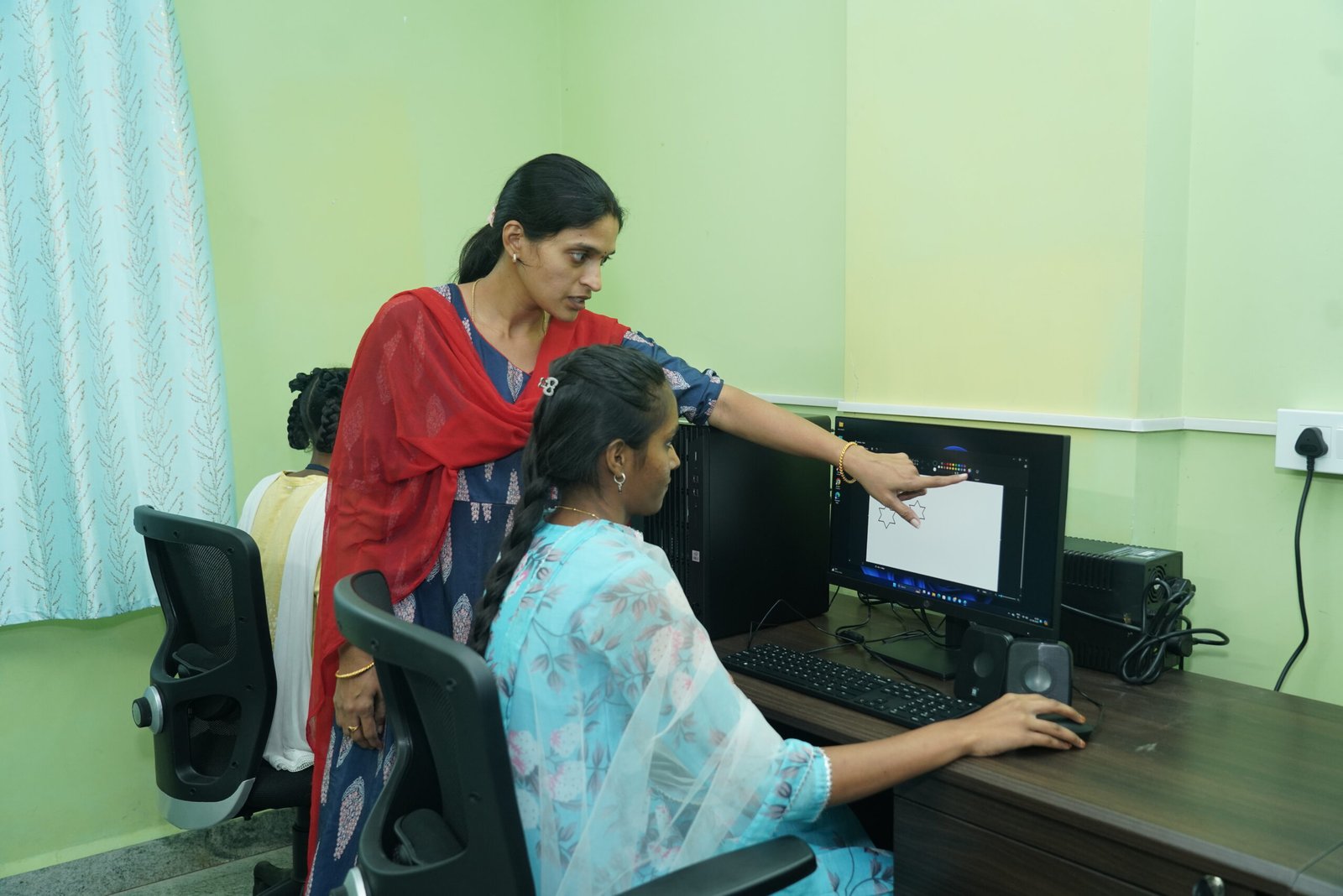
Technology is increasingly present in education, communication, and professional life. Basic digital knowledge can help young people access information, use online resources, communicate with others, and become familiar with technology-based work environments.
The importance of digital literacy becomes particularly relevant for young people who have had fewer opportunities to use digital tools. Without access and guidance, the technology gap can create another barrier between young people and available learning or employment opportunities.
CHORD’s work includes technology-related initiatives. Its website highlights the Growth Gene Project, a joint venture involving CHORD and Microsoft IT, Hyderabad, as part of its sustainable development efforts.
Opening Doors Through Digital Education
Learning no longer happens only inside a classroom. Digital platforms can provide access to educational material, training resources, communication tools, and other learning opportunities.
For young people who cannot easily reach conventional training centres, online learning opportunities can provide another route to knowledge. However, access to such resources depends on having suitable devices, connectivity, digital familiarity, and guidance.
This makes digital access for rural youth an important consideration within broader development efforts. Providing access is one part of the process; helping young people understand how to use technology productively is equally important.
Vocational Training With a Practical Purpose
Not every career follows the same educational route. Some young people may benefit from practical training that prepares them for a particular occupation or livelihood activity.
CHORD’s skill-development work includes job-oriented courses designed around employability. The organisation states that its Skill Bharath programme has trained and employed more than 9,000 young men and women since its inception.
Its initiatives also include practical training for women. The Swecha/Liberation programme, for example, includes employable tailoring training for women.
These examples show how vocational training programmes can form part of a wider effort to connect skills with livelihood opportunities.
Helping Young People Think About Careers
Career development is not limited to selecting a profession. It can also involve understanding personal abilities, developing relevant skills, receiving guidance, and identifying available opportunities.
CHORD’s skill-development programme includes counselling alongside job-oriented training. Its stated objectives include increasing awareness about skill training and creating opportunities connected with employment.
This approach gives career development programmes for youth a practical role. Guidance can help participants understand where their newly acquired abilities may fit within employment or self-employment pathways.
Skills Can Support Independence
A stable livelihood can influence many aspects of a young person’s life. Employment or self-employment can provide an opportunity to earn, contribute to household needs, and become more financially independent.
CHORD’s Skill Bharath programme aims to prepare beneficiaries for employment or entrepreneurial ventures based on their skills. Its wider work also includes women’s empowerment through skills, knowledge, financial independence, and socio-economic participation.
For an NGO for youth development, connecting learning with livelihood is therefore an important part of supporting young people beyond their immediate educational needs.
Education and Skills Work Better Together
Education and employability should not be viewed as competing priorities. Academic learning can provide a foundation, while practical training can help young people apply knowledge in real situations.
CHORD describes itself as a Hyderabad-based non-profit working in areas including education, youth skill development, women’s empowerment, and community upliftment. Its vision includes empowering children through education and young adults through skill development.
This places the work of an education NGO in Hyderabad within a broader development picture. Supporting education can help young people build knowledge, while skill-focused initiatives can address practical barriers associated with employment.
Click here to donate now.