In economically disadvantaged urban communities, finding a reliable source of income can be difficult even when employment opportunities are available nearby. Many people lack the practical skills or training required to secure suitable work. Migrant women, in particular, may face challenges such as limited education, household responsibilities, financial difficulties, and unfamiliarity with available employment opportunities. Although they may have the willingness to work, the absence of accessible vocational training can restrict their ability to earn independently. Skill development programmes can help address these challenges by providing practical knowledge and opportunities to improve livelihoods.
Why Skill Training Matters in Urban Deprived Communities
Living in a city does not automatically provide access to stable employment. People from low-income households may depend on temporary jobs, daily-wage work, and informal occupations to manage their expenses. Without specific vocational skills, moving towards better employment opportunities can become difficult.
A rural development NGO is not necessarily the right description for organisations working with urban beneficiaries. An NGO supporting urban communities can identify the challenges faced by economically disadvantaged populations and organise training according to their requirements. Programmes should consider participants’ education, interests, existing abilities, and the types of employment or self-employment opportunities available around them.
Bringing Training Opportunities Closer to Communities
For many women living in underserved urban areas, participating in vocational training requires balancing several responsibilities. Household work, childcare, transportation expenses, and financial commitments can make regular attendance difficult. Migrant women may also need additional support when adjusting to a new city and exploring opportunities to earn.
An NGO supporting urban communities can help address these challenges by identifying individuals who need assistance and connecting them with suitable training opportunities. Programmes become more useful when they are planned around participants’ everyday circumstances rather than following a standard approach.
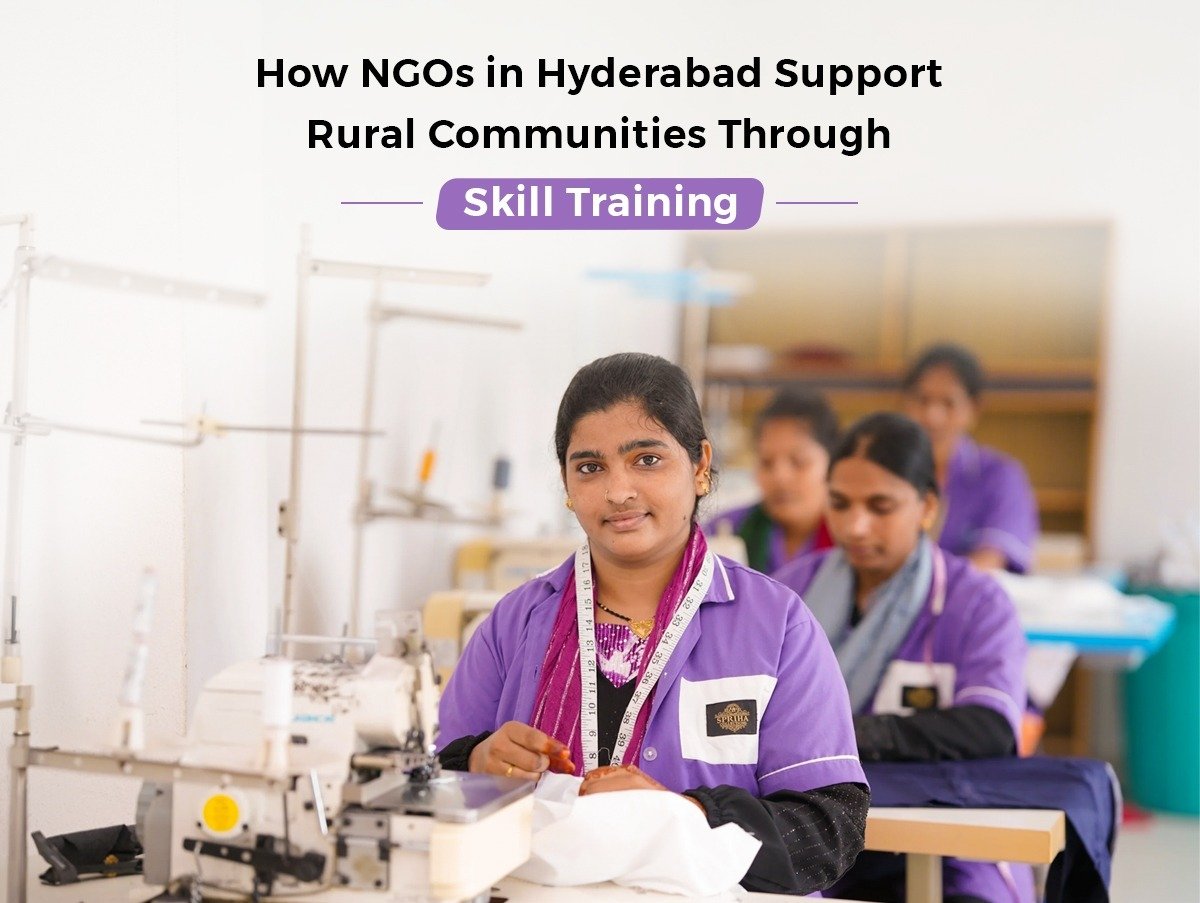
CHORD’s Skill Development Programmes are implemented in semi-urban and urban areas of Hyderabad. Its women-oriented initiatives include skill development support, such as providing sewing machines, to help participants explore practical livelihood opportunities. Access to appropriate equipment is important because learning a skill is only the first step; individuals also need resources to apply their knowledge and consider income-generating activities.
An international ngo in hyderabad can also contribute to community development by supporting vocational initiatives, building partnerships, and helping economically disadvantaged populations access resources that encourage financial independence.
Preparing Urban Youth for Employment and Self-Employment
Young people from economically disadvantaged households may complete their education without gaining the practical abilities required for different occupations. Academic qualifications provide a foundation, but employers may also expect technical knowledge, communication skills, and familiarity with workplace responsibilities.
Skill development initiatives can help young people understand employment requirements and explore suitable career opportunities. Depending on their interests and abilities, vocational learning can also introduce them to self-employment possibilities.
For an NGO for rural development, connecting training with livelihood opportunities is important, but organisations working in Hyderabad’s urban communities must focus on the employment conditions and financial challenges experienced by their actual beneficiaries. Training should help participants understand how to apply their skills rather than treating course completion as the only achievement.
How Skill Training Contributes to Sustainable Urban Development
When individuals acquire useful skills, the benefits can extend beyond their personal circumstances. Additional household income may help families manage rent, food, healthcare, transportation, and children’s educational expenses. It can also reduce dependence on uncertain employment opportunities.
This is why rural community empowerment should be understood in the wider context of community development, including the needs of underserved urban populations. People require access to knowledge, resources, and opportunities that allow them to make informed decisions about their financial future.
Sustainable urban development also depends on community participation. Residents understand the challenges within their neighbourhoods and can help identify which training programmes and livelihood activities would be useful. When people participate in planning and implementation, development initiatives are more likely to address genuine requirements.
The Connection Between Livelihoods, Education, and Child Welfare
A family’s financial situation can directly affect a child’s education and overall development. Parents struggling to meet essential expenses may find it difficult to afford school supplies, transportation, nutritious food, and other educational requirements. Children from economically disadvantaged households may consequently face difficulties that affect their learning and well-being.
Child welfare in rural areas should not be separated from the wider need to support disadvantaged children, including those living in urban communities. Children require access to education, protection, nutrition, and a safe environment. Parents and caregivers also need opportunities to improve their financial circumstances.
Similarly, rural education support is part of a broader educational development requirement. charity schools in hyderabad and other education-focused initiatives can help children from financially disadvantaged families access learning opportunities and build a foundation for their future.
CHORD’s work across education, child welfare, skill development, and community support reflects the relationship between these areas. Supporting parents’ livelihood opportunities while addressing children’s educational needs can contribute to stronger family circumstances.
How NGOs Can Make Local Training More Effective
The success of a training initiative depends on how well it responds to the needs of its participants. A useful programme should consider several practical factors:
- Community-level assessment: Understand the challenges faced by migrant women and economically disadvantaged urban populations before planning training activities.
- Accessible training: Consider convenient timings, training locations, affordability, and household responsibilities that may affect participation.
- Practical learning: Give participants sufficient opportunities to practise their skills instead of relying only on classroom explanations.
- Equipment and resources: Identify the tools and materials learners need to continue using their skills after completing training.
- Employment guidance: Help participants understand possible jobs, self-employment options, and local market requirements.
- Continued follow-up: Check whether participants can apply their training and identify additional support they may need.
An NGO in Hyderabad working with underserved communities can contribute through partnerships, training facilities, community engagement, and livelihood programmes. A charitable trust in Hyderabad can also support these efforts by directing resources towards practical training and development requirements.
Building Stronger Communities Through Local Opportunities
People exploring an NGO for women in Hyderabad may be interested in organisations that connect women’s education with income-generating skills. Likewise, families looking for the best charitable schools in hyderabad can consider educational quality, accessibility, student support, and opportunities for children’s overall development.
When comparing the best NGOs in Hyderabad, it is useful to understand the organisation’s actual programmes, the communities it serves, and how its initiatives address long-term needs. People researching the top ngos in hyderabad or browsing an ngo list in hyderabad can evaluate organisations based on their work in skill training, education, infrastructure, and community participation.
Individuals searching for the best charities to donate in hyderabad or comparing the best charity organizations in hyderabad should examine how donations support community development, vocational education, women’s empowerment, and children’s welfare. The best charity services in hyderabad are those that respond to genuine community needs through consistent programmes, responsible resource management, and meaningful outcomes.
Click here to donate and support children’s education and growth for a brighter future.